ETHIOPIA | Yabitu Koba | Heirloom | Red Honey
At some of Ethiopia’s most extreme altitudes lies Guji’s Uraga region, a dense, mountainous forest that spans almost a thousand miles. Within this huge forest lie three smaller forests, and it’s from one of these forests—Yabitu, where this coffee was grown. Despite the incredible quality found in Uraga, Guji, it was almost impossible to source them over a decade ago. Back then, Guji wasn’t an official designation, and coffees grown there were sold as Sidama (or smuggled across the border into Yirgacheffe, where they could be sold for a higher price, due to better name recognition).
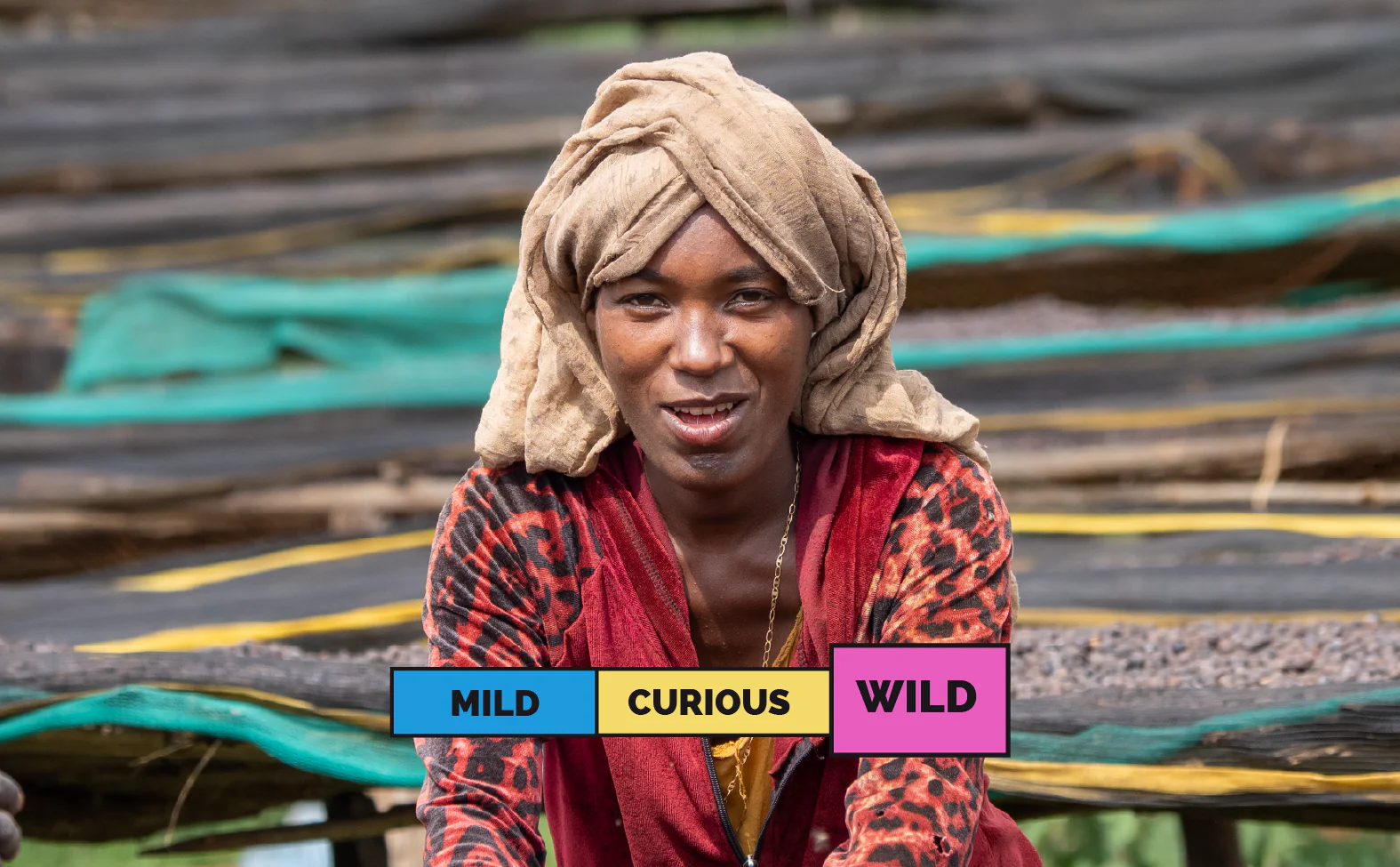
The Koba washing station receives coffee from over 700 producers and specializes in washed and honey processed coffees. The management team are meticulous, and laser focused on quality. During processing, the depulping machines (that remove the skin and mucilage of the coffee cherry) can be calibrated to leave specific amounts of mucilage still on the seeds. Typically, more mucilage will lead to more pronounced fruit notes in the cup. This coffee was processed as a Red Honey – roughly halfway between a White Honey (the lightest in profile) and a Black Honey (the loudest) – and is packed with notes of tropical fruit.
Product Information
Product Information
Shipping & Returns
Shipping & Returns
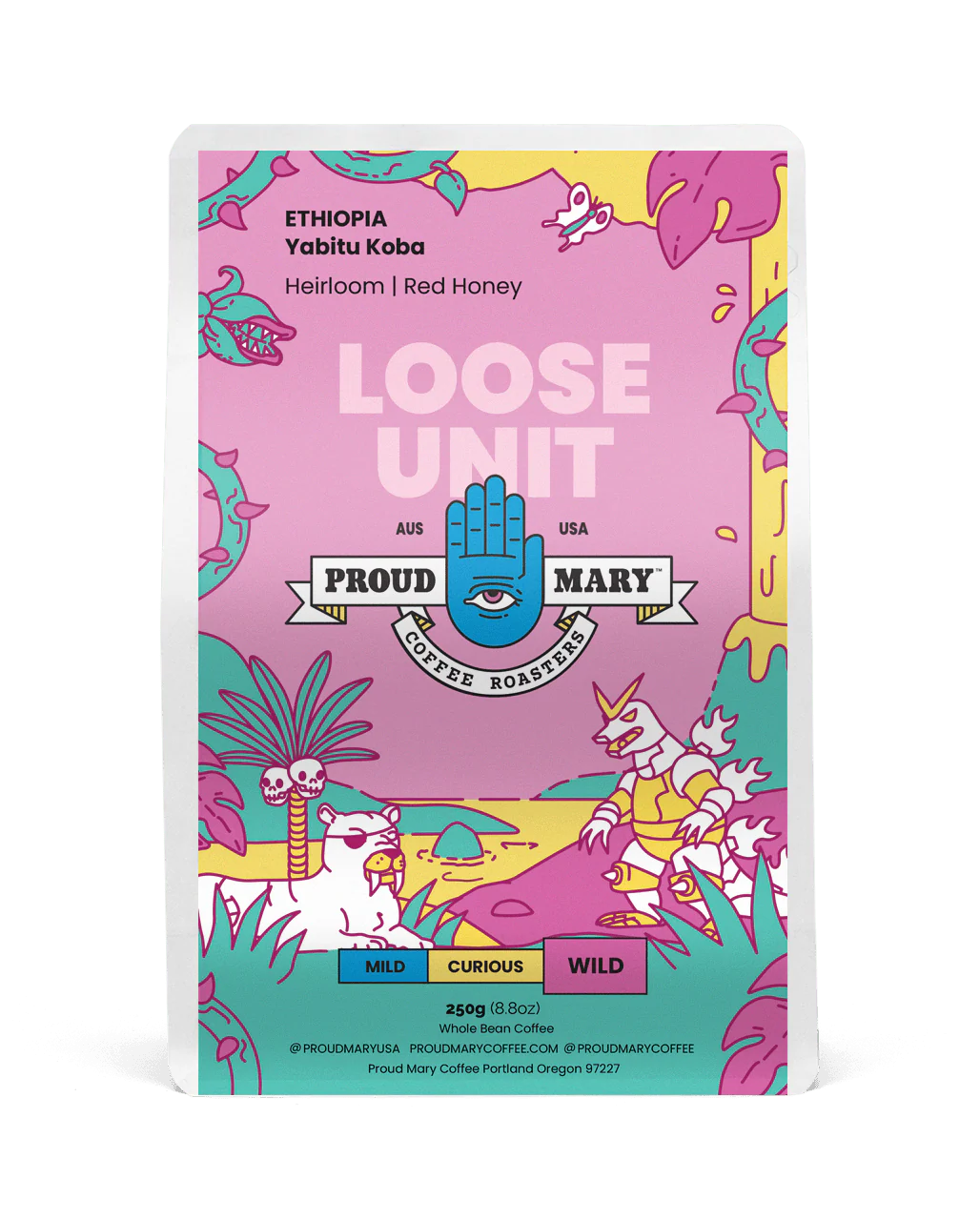
ETHIOPIA | Yabitu Koba | Heirloom | Red Honey
ETHIOPIA | Yabitu Koba | Heirloom | Red Honey
At some of Ethiopia’s most extreme altitudes lies Guji’s Uraga region, a dense, mountainous forest that spans almost a thousand miles. Within this huge forest lie three smaller forests, and it’s from one of these forests—Yabitu, where this coffee was grown. Despite the incredible quality found in Uraga, Guji, it was almost impossible to source them over a decade ago. Back then, Guji wasn’t an official designation, and coffees grown there were sold as Sidama (or smuggled across the border into Yirgacheffe, where they could be sold for a higher price, due to better name recognition).
The Koba washing station receives coffee from over 700 producers and specializes in washed and honey processed coffees. The management team are meticulous, and laser focused on quality. During processing, the depulping machines (that remove the skin and mucilage of the coffee cherry) can be calibrated to leave specific amounts of mucilage still on the seeds. Typically, more mucilage will lead to more pronounced fruit notes in the cup. This coffee was processed as a Red Honey – roughly halfway between a White Honey (the lightest in profile) and a Black Honey (the loudest) – and is packed with notes of tropical fruit.
Original: $27.00
-65%$27.00
$9.45Product Information
Product Information
Shipping & Returns
Shipping & Returns
Description
At some of Ethiopia’s most extreme altitudes lies Guji’s Uraga region, a dense, mountainous forest that spans almost a thousand miles. Within this huge forest lie three smaller forests, and it’s from one of these forests—Yabitu, where this coffee was grown. Despite the incredible quality found in Uraga, Guji, it was almost impossible to source them over a decade ago. Back then, Guji wasn’t an official designation, and coffees grown there were sold as Sidama (or smuggled across the border into Yirgacheffe, where they could be sold for a higher price, due to better name recognition).
The Koba washing station receives coffee from over 700 producers and specializes in washed and honey processed coffees. The management team are meticulous, and laser focused on quality. During processing, the depulping machines (that remove the skin and mucilage of the coffee cherry) can be calibrated to leave specific amounts of mucilage still on the seeds. Typically, more mucilage will lead to more pronounced fruit notes in the cup. This coffee was processed as a Red Honey – roughly halfway between a White Honey (the lightest in profile) and a Black Honey (the loudest) – and is packed with notes of tropical fruit.